



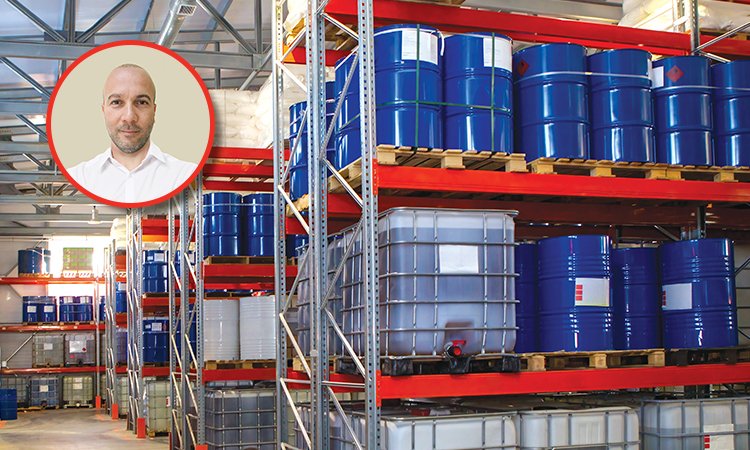
Best available techniques (BAT) in waste oil refining
Waste management in the European Union is an important part of the transition to a circular economy and shaping waste policy is based on the “Waste Hierarchy”,... Read more.

Environmental management and pollution control in used oil refineries
Waste oil re-refineries are complex facilities where waste oils (halogen containing/non-halogen mineral based waste process oils, waste synthetic process oils, mineral... Read more.
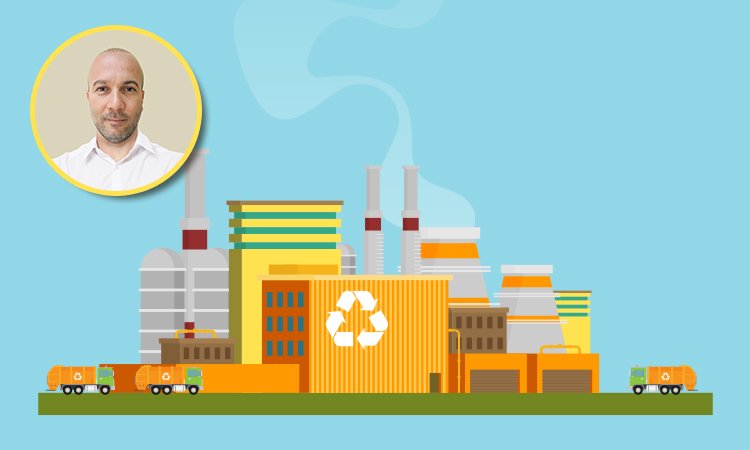
Sustainable and reliable waste oil management
Due to their high lubricating content (70% base oil, C18-C40), economic significance and increasing quantities (approximately 250,000 tons per year), waste oils... Read more.

Can lubricating oils be produced from carbon-rich waste?
As a part of daily industrial production and daily life, carbon-rich waste such as wastewater, treatment sludge, lignocellulosic waste, or vegetable waste oils are... Read more.

Can lubricants be eco-friendly?
Lubricating oils, especially hydraulic system oils; inevitably spread to the environment due to the leaks, spills, line breaks and assembly failures. Lubricants... Read more.
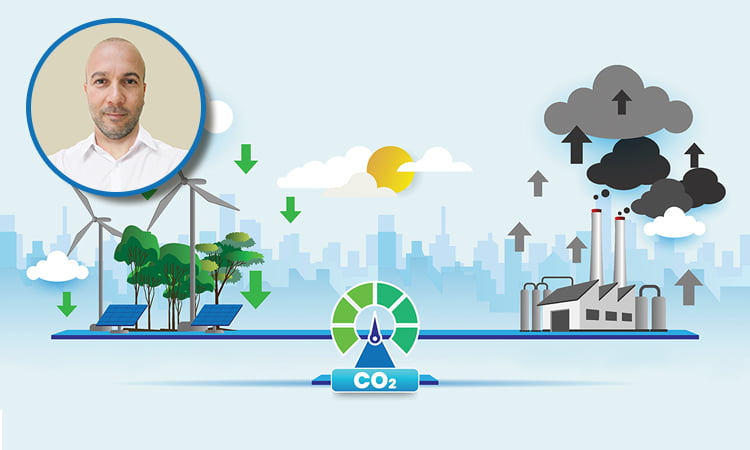
Sustainable engineering: Can lubricants reduce CO2 emissions?
Today, our planet comes up against global problems such as climate change, limited natural resources and environmental pollution. Based on these problems, negotiations... Read more.