

📌 Engine oils have a lifespan — but this lifespan is not measured solely by mileage. In reality, many technical factors must be considered together to determine the proper oil change interval.
🔍 The main factors affecting oil change timing include:
▪️ Fuel type: Diesel engines, especially when running on high-sulfur fuel, can contaminate oil more quickly.
▪️ Operating conditions: Frequent stop-and-go driving, short trips, high temperatures, or heavy loads cause oil to wear out faster.
▪️ Oil type: Synthetic oils generally last longer, but their suitability must be evaluated based on engine type.
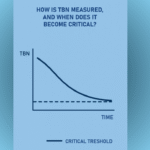
▪️ Oil analysis: Laboratory data such as TBN/TAN values show the chemical durability of the oil.
💡 Example:
Your vehicle may not have reached 10,000 km, but if it has been used mainly for short city trips, the oil may already have lost its performance. Conversely, in an engine running under steady load, oil life can be extended.
✔️ Conclusion: Choosing the right oil is just as critical as changing it at the right time. Changing too early leads to resource waste, while delaying the change can cause serious engine damage.
#EngineOil #Lubricants #AutomotiveCare #OilChange #MaintenanceMatters #LubeFacts