
The invisible assurance on the label: Manufacturer approval
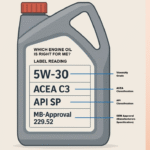
🛠️ Engine oil labels don’t just show viscosity or API/ACEA classification. One of the key differentiators is OEM approvals.
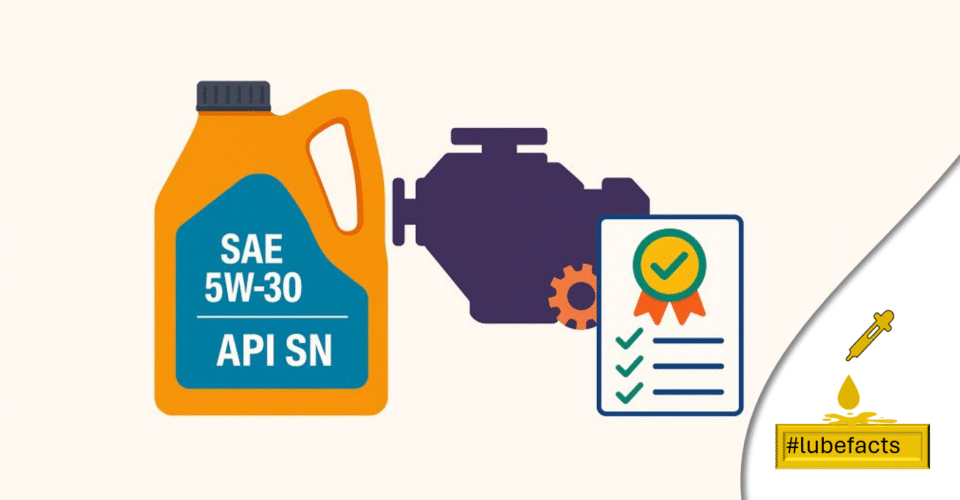
OEM (Original Equipment Manufacturer) approval is a technical guarantee that an oil has successfully passed rigorous tests conducted by a specific engine manufacturer, proving its compatibility with that engine type.
🔬 These tests go beyond general performance and include manufacturer-specific criteria such as:
▪️ Deposit formation
▪️ Thermal oxidation resistance
▪️ Wear control
▪️ Oil consumption
▪️ Fuel economy
▪️ Long-term engine cleanliness
📌 Example: Two oils may both meet API SN level. However, one may carry approval from an OEM like Mercedes-Benz or Volvo, while the other only claims to meet the level without having passed the actual tests.
💡 Conclusion: OEM approval means more than “looking suitable.” It represents a verified degree of compatibility, confirmed through real-world manufacturer testing. That’s why checking OEM approvals on the label is essential when choosing the right oil.
#OEMApproval #Lubricants #EngineCare #AutomotiveMaintenance #OilQuality #LubeFacts